Ghasemi Trading

Ghasemi Trading

فقط کافیه از ما استعلام بگیرید.

  1. 🔺Official representative of Rogagstar products
  1. 🔺Official representative of Ingel products
  1. 🔺Official representative of Giti Kala 5-layer polymer products
  1. 🔺Official representative of Azaratsal Ektaplica Semnan pvc products
        بازرگانی قاسمی، نمایندگی انحصاری پخش لوله و اتصالات در رشت

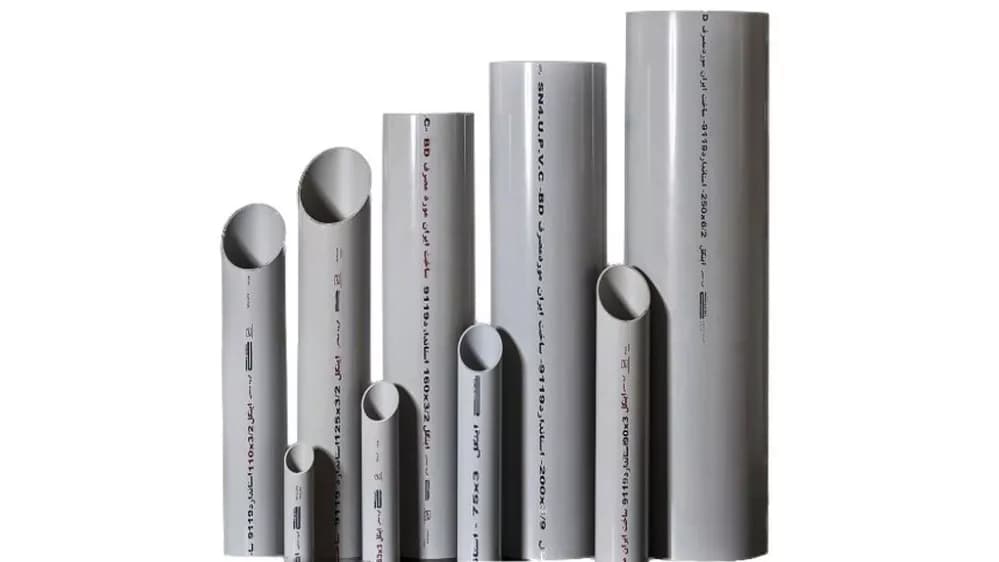
        About the fitting pipe

        Connecting pipes, or pipe joints, are components that are used to connect two pipes or parts of pipes to each other. These connections are used in piping systems to connect pipes and create flexibility and regulate fluid flow. There are several types of pipe fittings designed to suit the type and size of pipes, required pressure, and other special needs. Some common types of pipe fittings include welded fittings (such as steel pipes), solventless fittings (without the use of adhesives or adhesives), screw fittings (such as PVC pipe fittings), push and lock fittings (for use in high pressure systems), and elbow fittings (for changing pipe direction). They are. The use of pipe connections adds more variety to the piping system and allows for easier maintenance. Choosing the right type of pipe fittings depends on the type of liquid to be transported there, the pressure in the system, and the environmental conditions. More detailed information about the right type of pipe fittings for your specific needs can help you.

        بازرگانی قاسمی، نمایندگی انحصاری پخش لوله و اتصالات در رشت

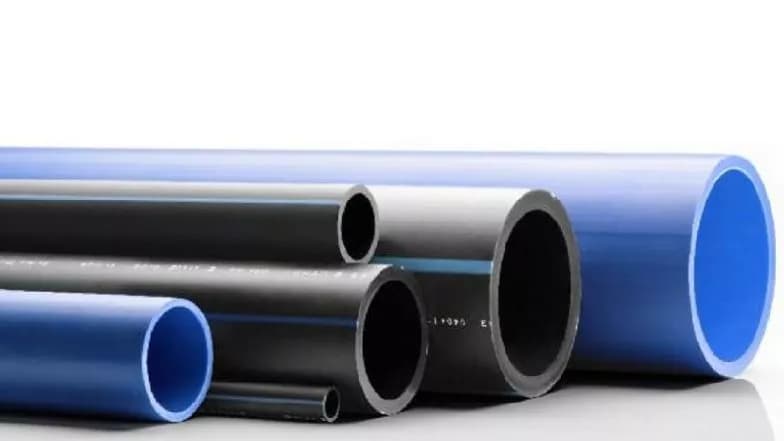
        Polymer tube

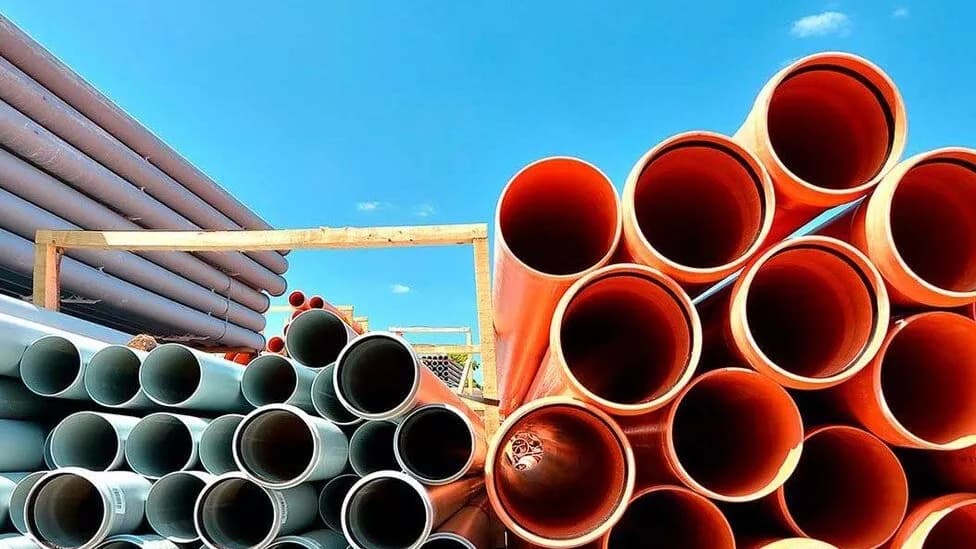
        Polymer pipes, or plastic pipes, are made of polymers that are used to transport liquids or gases in many applications due to their unique properties. These pipes may be made of materials such as polyethylene (PE), polyvinyl chloride (PVC), polypropylene (PP), or polyethylene terephthalate (PET).
        One of the main advantages of polymer pipes is their lightness and rust resistance, which makes their installation and transportation simple and easy. Also, these pipes have good resistance to corrosion, wear, and various chemicals, which makes them suitable for various uses. Polymer pipes are used as an economical and high-performance alternative to metal pipes in many industries, such as oil and gas, water and wastewater, chemical tanks, irrigation systems, and many other applications. Also, other advantages of these pipes include easy installation, high reliability, resistance It is UV resistant and low maintenance. As a general guide, it is important that the polymer pipes you need are approved to quality and safety standards to ensure optimal performance and safety of your system.
        بازرگانی قاسمی، نمایندگی انحصاری پخش لوله و اتصالات در رشت

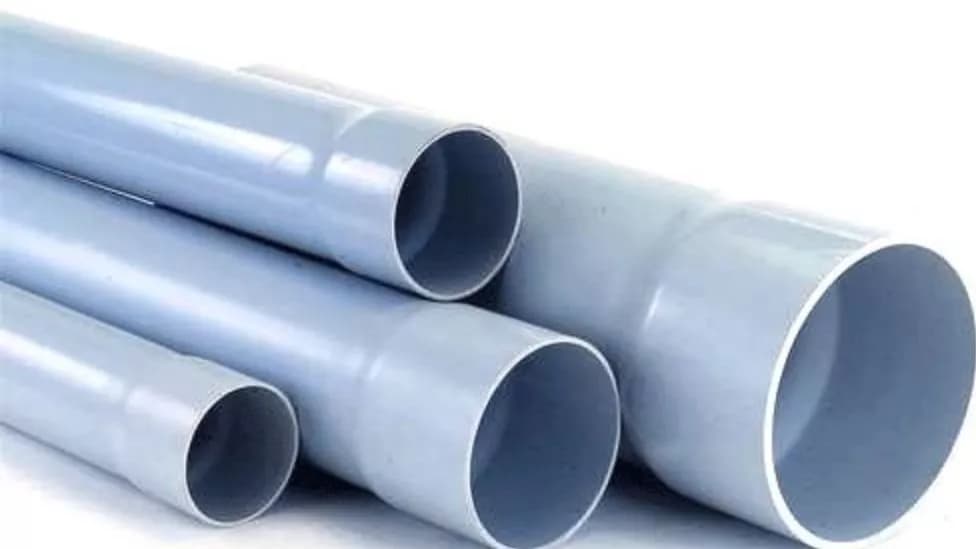
        Polyca tube

        Thank you for presenting this topic. Polyethylene pipes are often known as polyethylene pipes, which are produced from light polyethylene or HDPE (High-Density Polyethylene). These types of pipes are used in some tools and piping systems to transport water, gas, and other liquids. They are suitable for some applications due to certain properties such as lightness, flexibility, resistance to pressure and corrosion, and anti-welding. Because Polyca pipes are resistant to breakage and scratches, they are usually considered a suitable option for use in basements or in environments that require strong and stable pipes.
        بازرگانی قاسمی، نمایندگی انحصاری پخش لوله و اتصالات در رشت

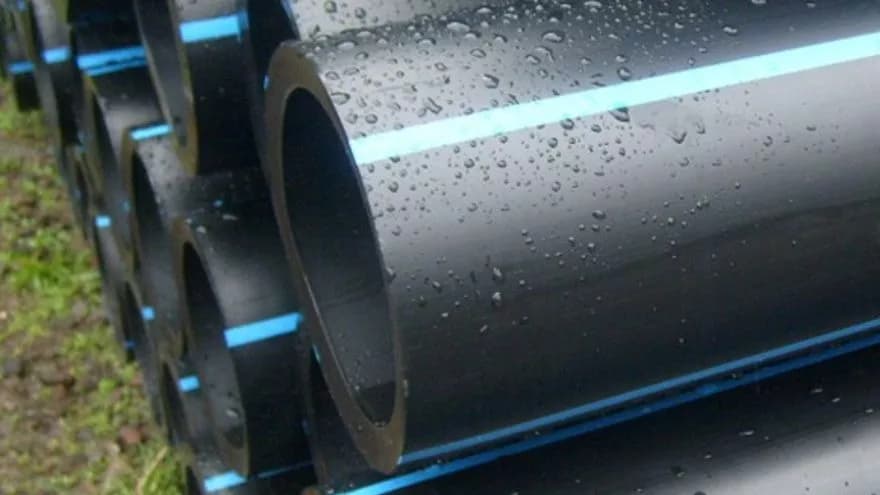
        Polyethylene pipe

        Polyethylene (PE) pipes are a type of polymer pipe made of materials such as polyethylene. Polyethylene is a thermoplastic polymer that is used to produce pipes in many applications due to its suitable physical and chemical properties. Polyethylene pipes are used for conveying water, gas, sewage, gas lines, heating lines, and many industrial and domestic systems due to their properties such as flexibility, impact resistance, pressure and heat resistance, and resilience or impact when exposed to high pressures. The type of PE used to make pipes is determined according to things such as working pressure, ambient temperature, corrosion, and the type of liquid or gas that is to be transported. In general, PE is divided into two categories: high-compression PE (HDPE) and low-compression PE (LDPE), each of which has different characteristics and uses.
        Also, the existence of different technologies such as single-layer, multilayer, coated pipes, or UV-resistant pipes for special purposes can be considered the right choice for specific conditions. Finally, choosing PE pipes for your specific needs requires knowledge in It has the context of your specific material and project.
        بازرگانی قاسمی، نمایندگی انحصاری پخش لوله و اتصالات در رشت

        1. Tube
        2. Connections
        3. Metal
        4. Polyethylene
        5. PVC
        6. Water
        7. Gas
        8. Sewage
        9. Faucets
        10. Types of pipes
        11. Plastic fittings
        12. Industrial connections
        13. Piping system
        14. Percy
        15. Welding
        16. Chemical compounds
        17. Standards of pipes and fittings
        18. The price of pipes and fittings
        19. Installation and repair services
        20. Manufacturers of pipes and fittings